



Heat pumps and EVs often attract the same kind of critics (this may be another 🍯…), who fear that the grids cannot cope or that renewable electricity will not meet demand. A closer look at that criticism reveals that heat pumps and electric vehicles are seen as inflexible loads on the grid. In contrast, generation of the proposed gaseous alternative is presented as perfectly flexible demand, ready to follow any supply profile.
Real world applications of smart EV charging and smart heating regularly demonstrate that both electric cars and heat pumps can in fact be great flexible and grid-responsive resources. The article below on UK’s National Grid ESO Demand Flexibility Service is another example of how heat pumps can respond to grid signals, keeping houses comfortably warm as well as reducing stress on the grid when needed. Automation 🤖 is what makes these heat pumps a valuable asset to the power system without compromising the user needs – just as smart charging of EVs (big and small) does.
The great thing is that often this smart functionality can be added to existing heat pumps and EVs. Some can be hooked up to manufacturer or energy supplier systems, working with dynamic energy tariffs and demand-response programmes. Tools like Homely – mentioned in the article – , Ngenic Tune and tado° Balance work with a variety of heat pump brands, allowing users to take control for the benefit of their wallet and the energy system.
Julia Hildermeier, Andreas Jahn, Jan Rosenow and I looked at EV smart charging tariffs and services in Europe: 139 options out there for smart EV charging, many just an app download away. If you drive an EV, take a look at some of the user-friendly services that can help you automate charging to save on charging costs and help integrate your EV and renewables into the grid.
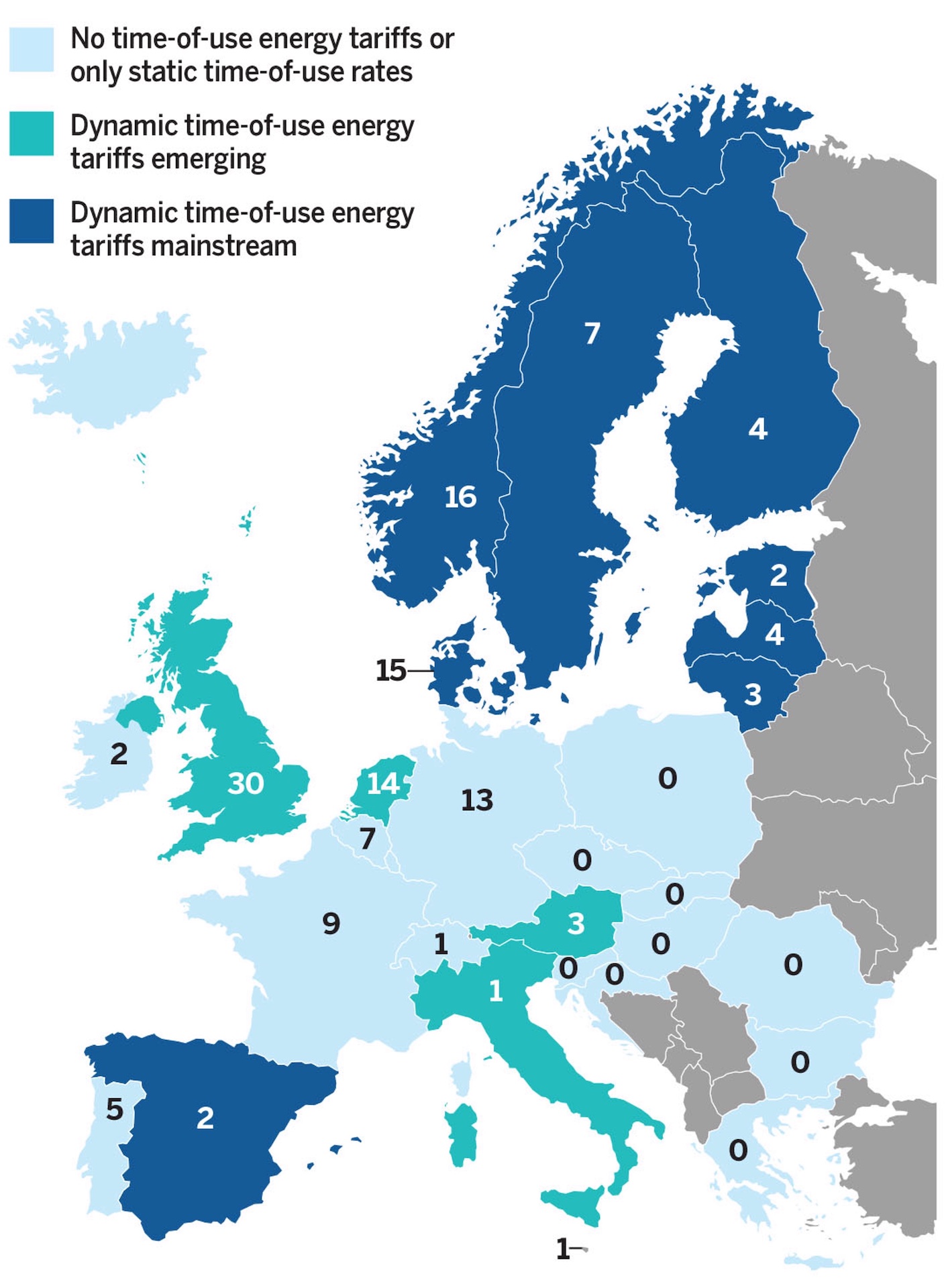
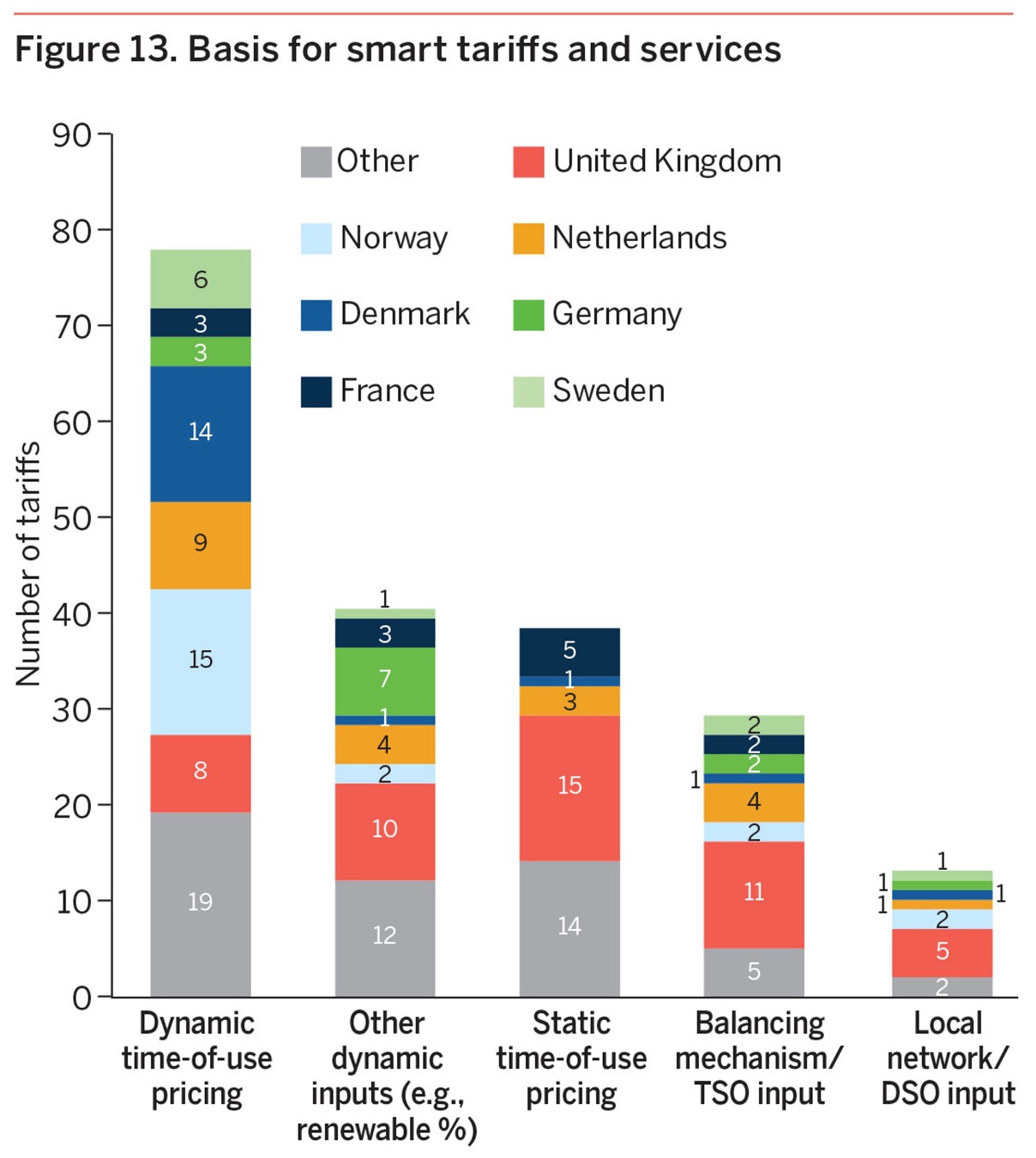
How can policymakers ensure we harness the potential of flexibility from heat pumps and electric vehicles? The Regulatory Assistance Project (RAP) report ‘Joy of Flex’ details 6 policy recommendations how to accelerate the benefits for consumers and the energy system.
And as final read on this topic: a new paper by Michael Hogan on how to reward the inherent flexibility of heat pumps and electric vehicles in power system planning and operations. Well worth reading for Europeans too.
So the next time you read or hear that heat pumps or electric cars won’t work well with a renewable-based grid, think of all the proven solutions that are already out there (and start using them).